
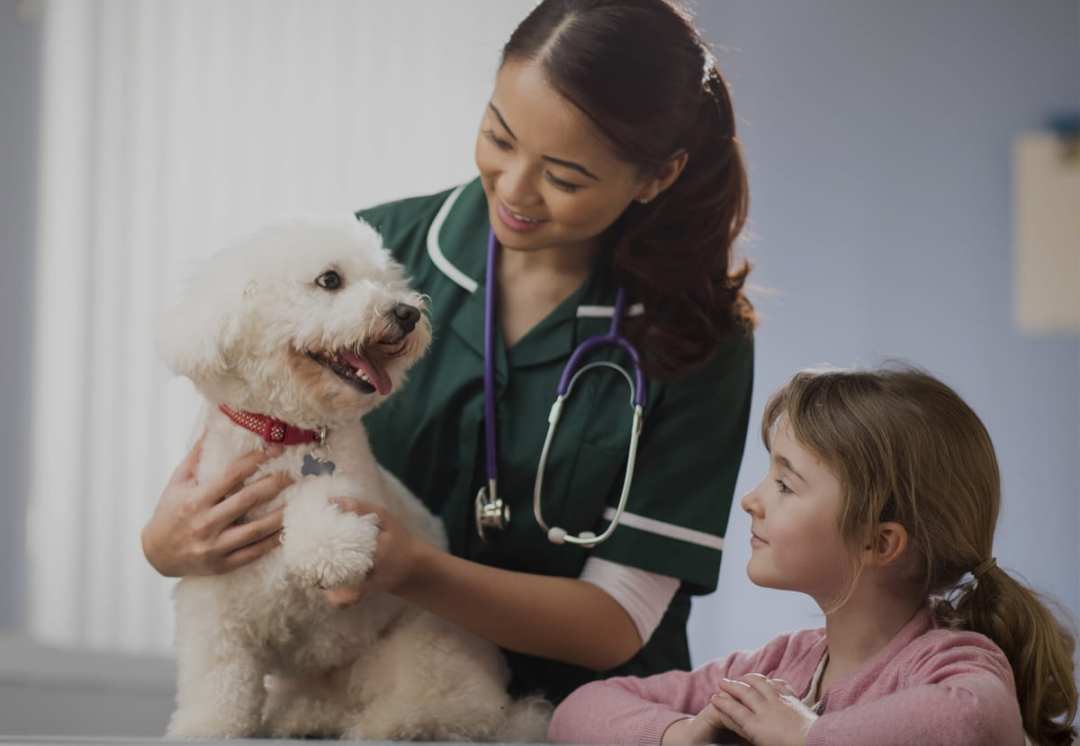
Spaying and neutering are common procedures for pet owners, but their benefits extend beyond the immediate health advantages. These surgical interventions, involving the removal of reproductive organs, are integral to responsible pet ownership and have widespread implications for both individual animals and the broader pet community. Here is a comprehensive exploration of why spaying and neutering are valuable practices.
Reducing Unwanted Litters
One of the most significant benefits of spaying and neutering is the reduction of unwanted litters. Each year, millions of pets end up in shelters, many of them due to overpopulation. Spaying and neutering help control the pet population by preventing unplanned pregnancies. This not only alleviates the burden on animal shelters but also helps reduce the number of animals that face uncertain futures.
Preventing Certain Health Issues
Spaying and neutering can significantly lower the risk of various health problems. For female pets, spaying eliminates the risk of ovarian and uterine cancers and greatly reduces the chance of mammary tumors. These cancers are often serious and can be costly to treat. For male pets, neutering decreases the likelihood of testicular cancer and can help prevent prostate problems, such as infections or enlargement.
Decreasing Behavioral Problems
Behavioral changes associated with reproductive instincts can be challenging for pet owners. Pets that are not spayed or neutered may exhibit behaviors such as roaming, marking territory, and aggression. These behaviors are often linked to the hormonal changes associated with mating instincts. Spaying and neutering can help mitigate these issues, leading to a more harmonious living environment and reducing the likelihood of pets running away or engaging in destructive behaviors.
Enhancing Longevity
There is evidence suggesting that spayed and neutered pets often enjoy longer lifespans compared to their intact counterparts. The reduction in certain health risks and the decrease in behaviors that could lead to injury contribute to a better quality of life and potentially a longer life. For example, unspayed female dogs are at higher risk of developing pyometra, a potentially life-threatening infection of the uterus, which can be avoided through spaying.
Reducing the Risk of Certain Diseases
Spaying and neutering can lower the risk of sexually transmitted diseases and infections. For instance, neutering male pets eliminates the risk of testicular infections and reduces the likelihood of certain sexually transmitted diseases. In female pets, spaying reduces the risk of uterine infections and certain types of cancer. These procedures contribute to a healthier and more comfortable life for pets.
Minimizing Aggressive Behavior
Hormonal changes associated with the mating instinct can sometimes lead to aggression in pets, particularly in males. Neutering can help reduce this type of aggression, leading to a more stable temperament and better social interactions. This can be particularly beneficial in multi-pet households or in situations where pets interact frequently with other animals.
Lowering the Risk of Escape
Intact pets may be more inclined to escape or wander in search of potential mates. This behavior can put them at risk of injury or getting lost. By spaying or neutering pets, the drive to roam in search of a mate is diminished, which helps keep them safer and more secure in their home environment.
Supporting Community Health
Reducing the number of unwanted pets also has positive effects on community health. Fewer stray and homeless animals mean less risk of spreading diseases, such as parasites or infections, to other animals and even humans. By spaying and neutering your pet, you contribute to a healthier, more balanced community.
Financial Benefits
The financial impact of spaying and neutering can be significant. While the initial cost of the procedures may seem high, it is often much less than the costs associated with caring for a litter of puppies or kittens, or treating health issues related to reproductive organs. Additionally, preventing unwanted litters reduces the need for additional resources and medical care in shelters, which can indirectly lower community costs.
Encouraging Responsible Pet Ownership
Spaying and neutering are essential components of responsible pet ownership. These procedures demonstrate a commitment to the well-being of pets and contribute to the larger goal of reducing pet overpopulation. Responsible pet owners who choose to spay or neuter their animals help foster a culture of care and compassion within their communities.
Spaying and neutering pets offer a multitude of benefits that extend beyond the individual animal. From preventing unwanted litters and reducing health risks to minimizing behavioral problems and supporting community health, these procedures are key to maintaining the well-being of both pets and the broader animal population. By making the choice to spay or neuter your pet, you contribute to a healthier, more balanced world for animals.

 Pet Food Blogs